Green Medical Development
HomeAbout
ImpactArticlesContact
Get in Touch
Green Medical Development

Bringing hospital-grade diagnostics to remote regions powered by decentralized infrastructure.

Solutions

  • POCUS Solutions
  • POC Laboratory
  • Medical Advisory
  • Ophthalmology
  • Supply & Distribution
  • Training & Capacity

Company

  • About Us
  • Impact
  • Articles
  • Contact

Contact

  • Theodorou Kolokotroni 3A, Pyla 7080, Larnaca, Cyprus
  • +357 97555006

© 2026 Green Medical Development. All rights reserved.

  1. Home
  2. /Solutions
  3. /POC Lab
POC Laboratory

A Lab Without a Laboratory

Compact, connected diagnostic devices delivering comprehensive laboratory testing anywhere - from rural clinics to hospital-level capabilities. Covering hematology, cardiac enzymes, fertility hormones, vitamins, and more. No infrastructure required.
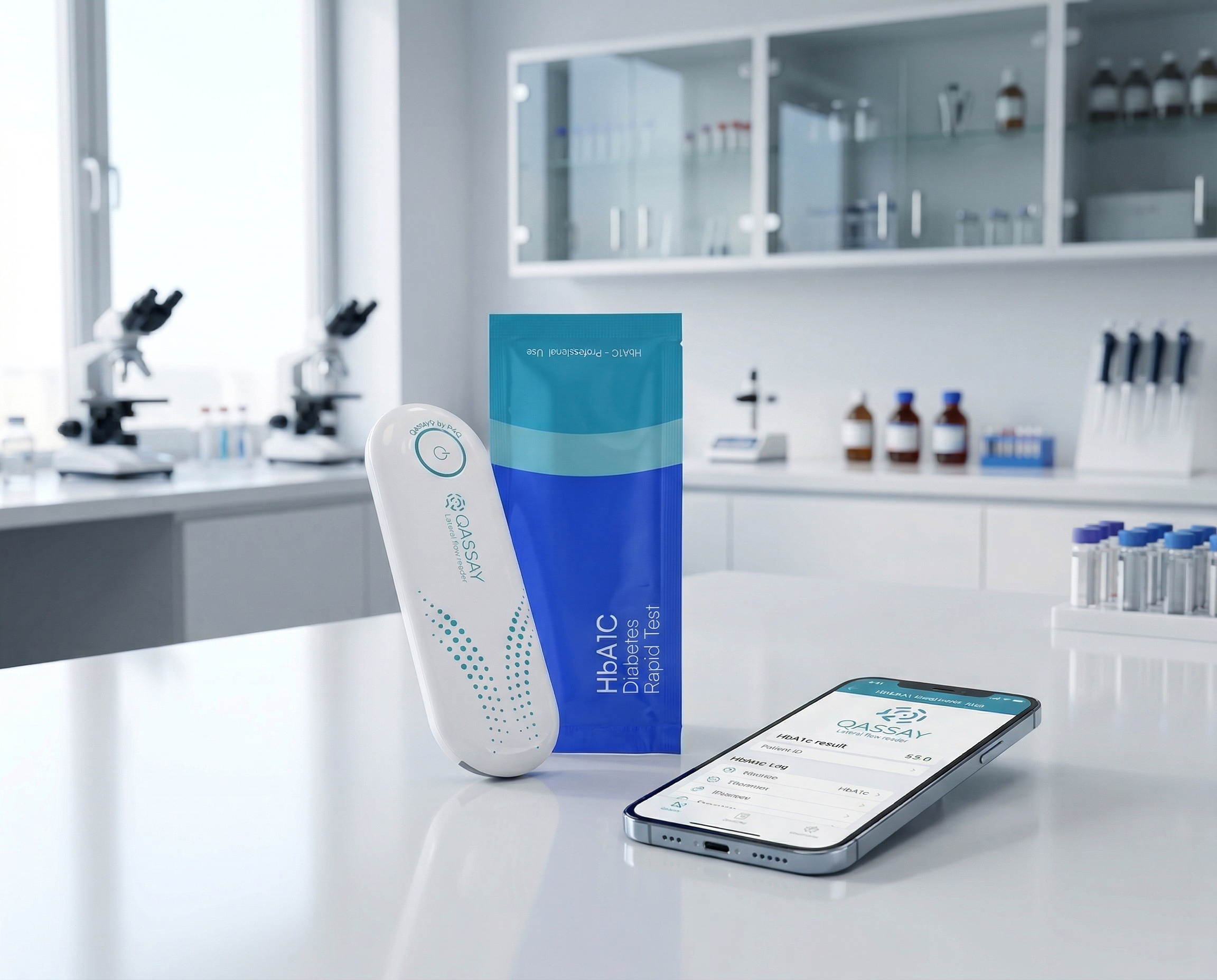
Point-of-care laboratory analyzer device

~15 min

Results Time

CE-IVDR

Certified

33+

Test Parameters

Cloud

Connected
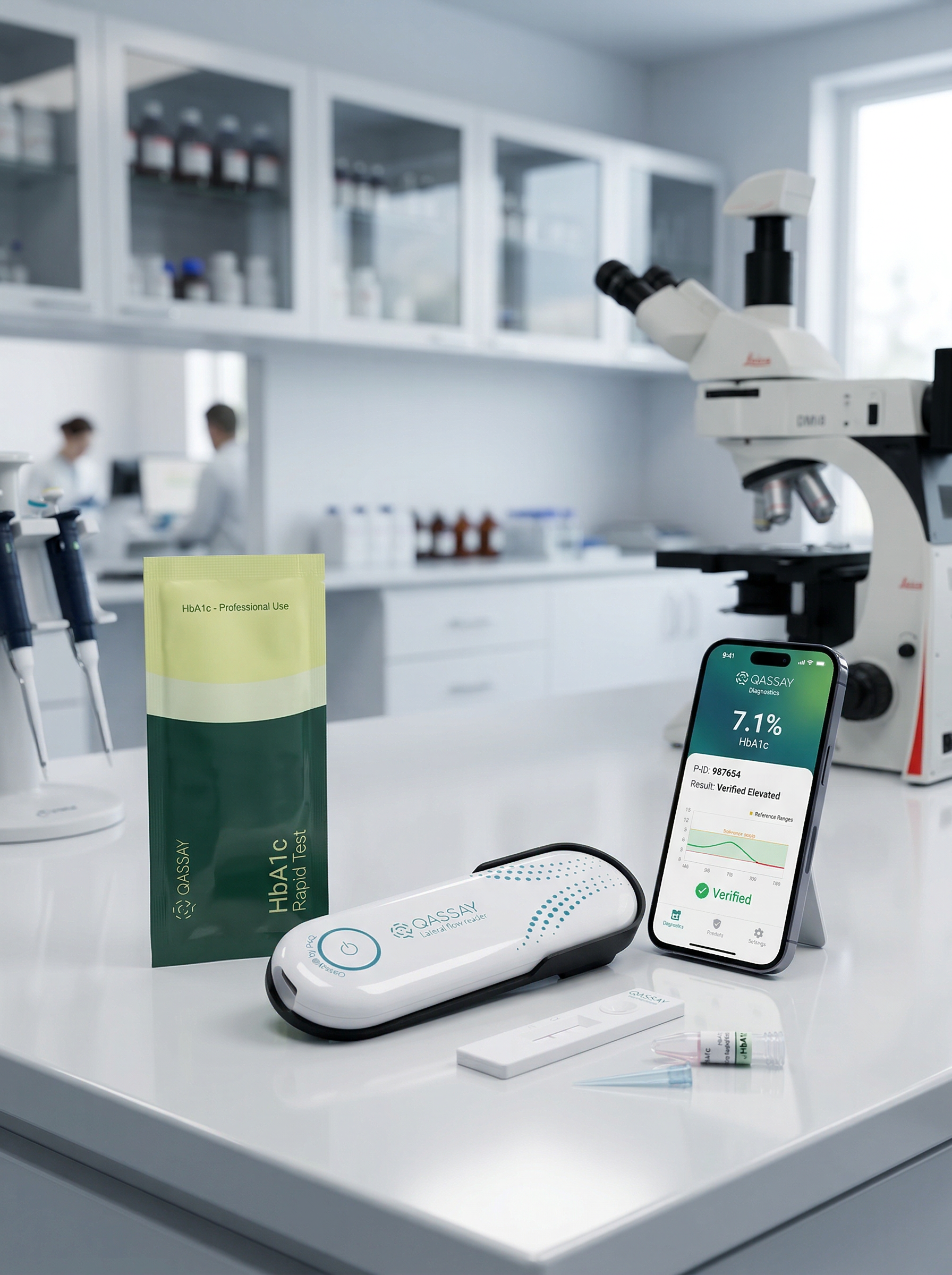
QASSAY reader with HbA1c test strip and mobile app
Featured Device

QASSAY Platform

Palm-sized digital lateral flow test reader with fluorescence immunoassays and AWS-based cloud platform. CE marked under CE-IVDR (Class A). Compatible with serum, plasma, whole blood, and urine samples.

Accessible

Palm-sized reader, minimal training required

Scalable

Mass screenings & chronic patient monitoring

Connected

REST API, AWS cloud platform & mobile app

Portable Diagnostic System

From Rural Clinic to Hospital-Level Diagnostics

Our portable diagnostic system combines POCUS, point-of-care laboratory testing, and remote clinical support in one integrated solution - enabling any clinic to deliver hospital-grade diagnostics on site.
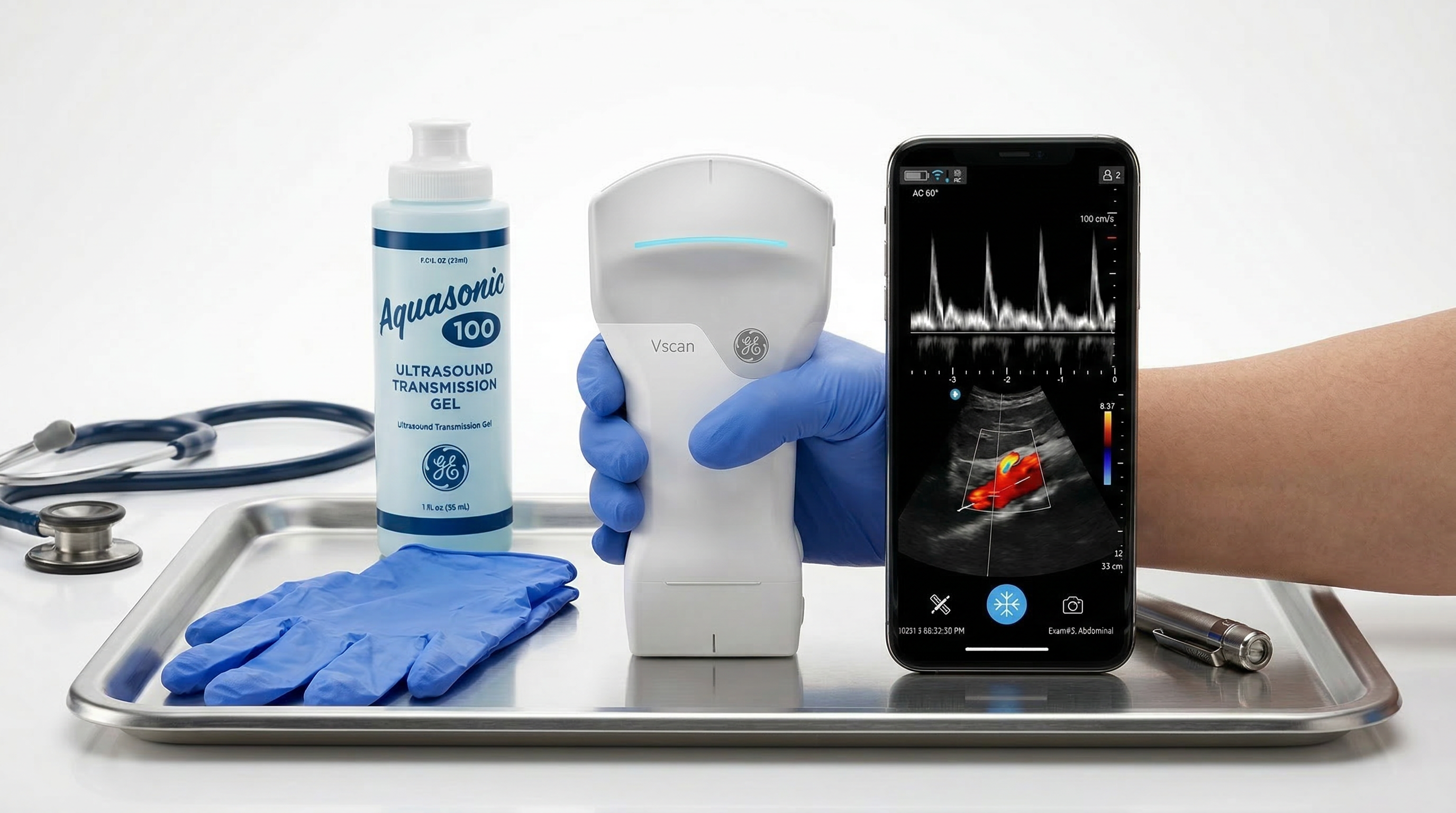
POCUS

POCUS

Wireless pocket-sized ultrasound probe connecting to smartphone or tablet for real-time imaging anywhere.
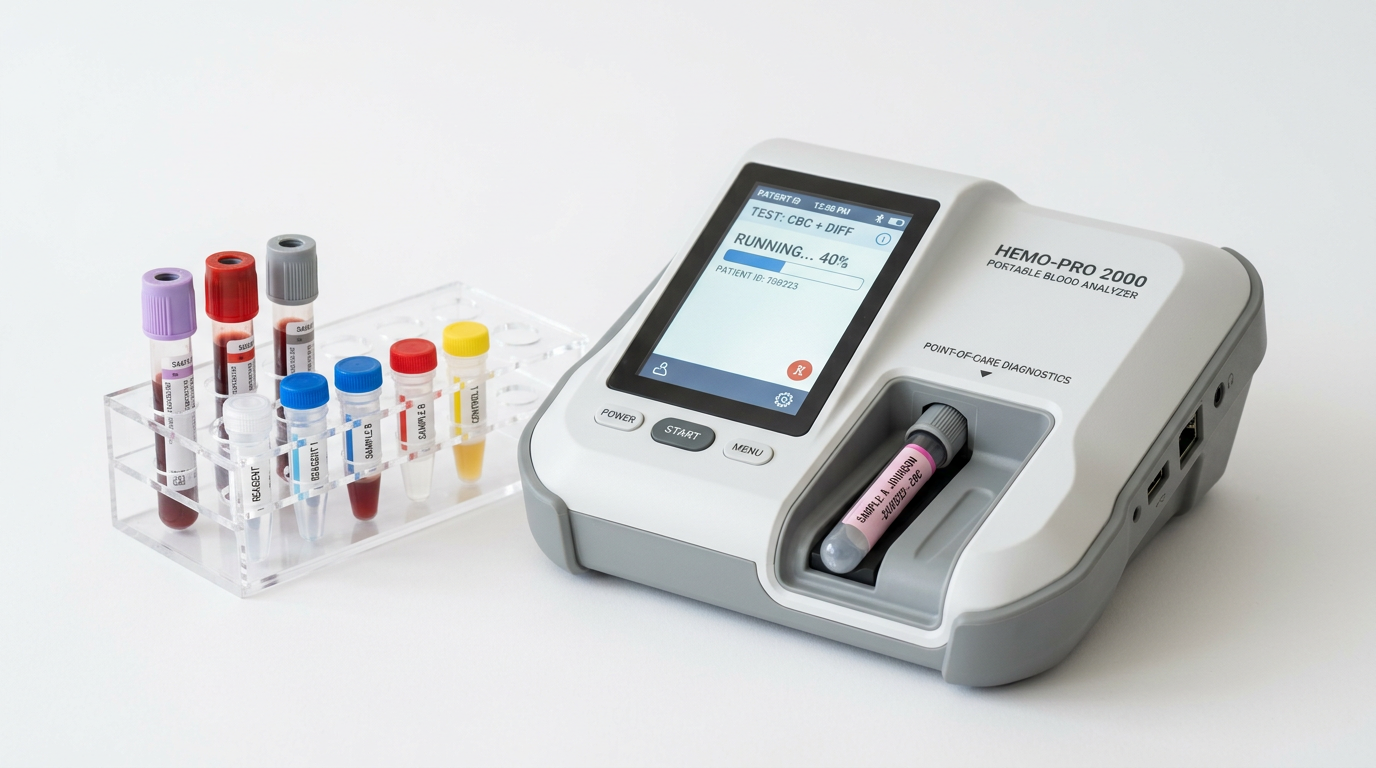
Point-of-Care Laboratory

Point-of-Care Laboratory

Compact blood analyzers delivering CBC, coagulation, chemistry, infectious disease screening, cardiac markers, and immunoassay - 60-second results from 20µL samples.

Remote Medical Support

Remote Medical Support

Teleconsultation platform connecting local clinicians to specialists worldwide for real-time case review and clinical guidance.

Hospital-Level Diagnostics at Point of Care

Hematology

Complete blood count, coagulation analysis, and 3-part differential

Cardiac Enzymes

Troponin, BNP, D-Dimer, CK-MB quantification

Fertility Hormones

AMH, progesterone, E2, LH, β-hCG, and more

Vitamins & Nutritional

Vitamin D, ferritin, folic acid, and bone markers

Infectious Disease

PCR molecular diagnostics and rapid pathogen detection

Immunoassay & Chemistry

High-sensitivity biomarker quantification and urinalysis

Professional Consultation

Expert Clinical Guidance

Every deployment includes access to professional clinical consultation. Our specialists provide remote case review, diagnostic interpretation, and clinical guidance to support healthcare providers in the field.

Why POC Testing

Advantages of Point-of-Care Testing

Faster diagnosis at the patient's bedside

Reduced need for centralized laboratories

Earlier treatment and improved outcomes

Lower healthcare costs in remote settings

Fewer patient referrals and transfers

Ready to Deploy POC Lab Diagnostics?

Bring laboratory-grade diagnostics to point-of-care settings with our QASSAY-powered testing platform.

Get in Touch
Further Reading

Point of Care Diagnostics in Resource-Limited Settings: A Review of the Present and Future of PoC in Its Most Needed Environment

Point of care (PoC) diagnostics hold particular promise for resource-limited settings, where a central laboratory may be hours away and PoC may be the only viable route to diagnosis. This review maps the bottlenecks that stop promising PoC research from reaching patients in low-income countries, tracing the entire value chain from fundamental research and funding, through prototype design philosophy and regulation, to market penetration, distribution, and actual use at the bedside. Rather than focusing on any single stage, the authors argue the field needs coordinated change across research priorities, economic incentives, training, supply chains, and healthcare-system integration, because a perfectly engineered device still fails if any link in that chain breaks.

Read article